Introduction
The French Open, held annually at Roland Garros in Paris, is a major clay court event that tests player endurance, skill, and adaptability. As the second Grand Slam of the year, it plays a crucial role in determining ATP and WTA rankings, shaping player momentum, and highlighting emerging talent. This article provides a detailed analysis of the French Open tournament, match results, player performances, key moments, statistical insights, and implications for rankings and future competitions.
Overview of the French Open
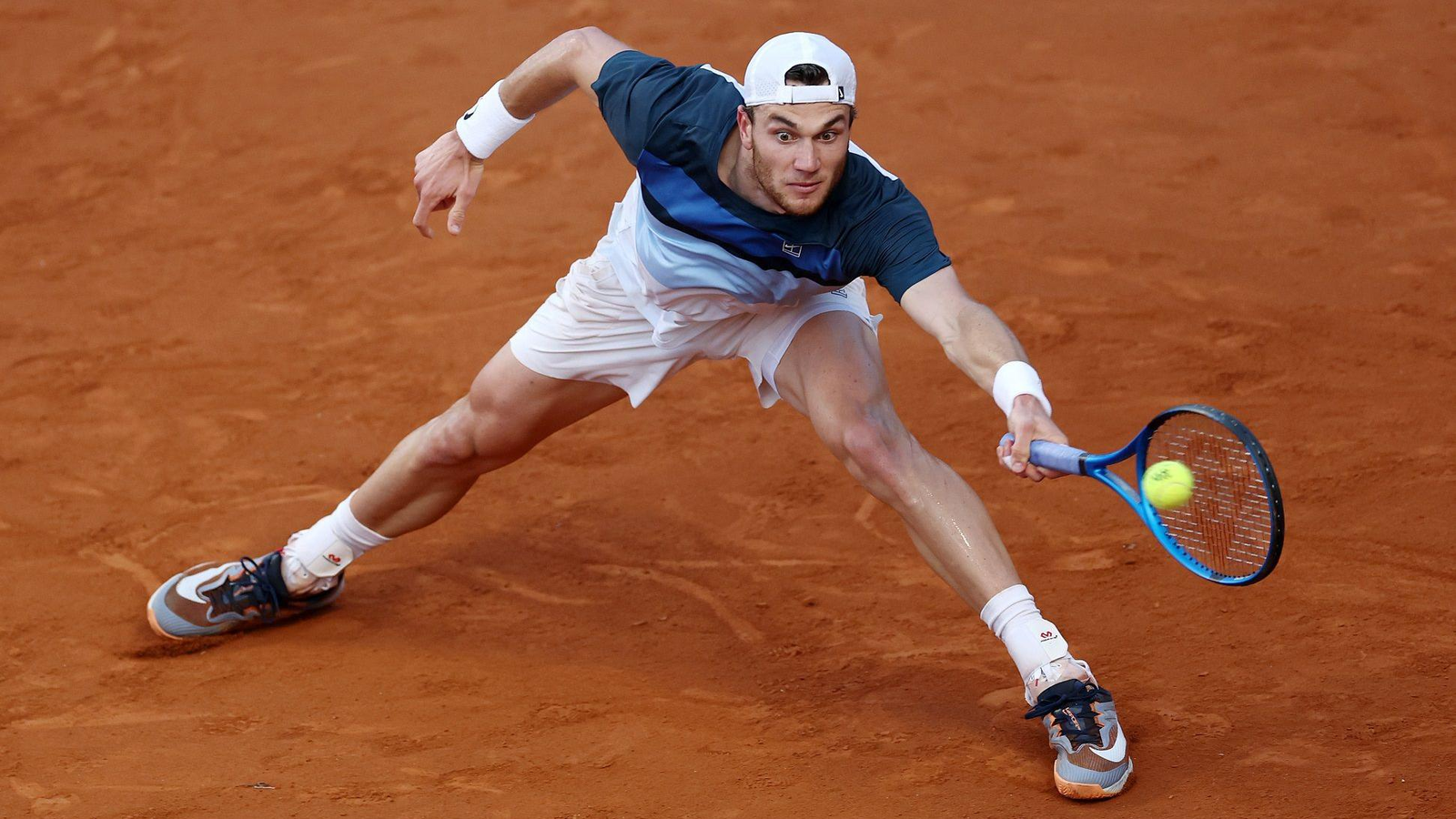
The French Open is unique for its clay courts, which slow down ball speed and produce higher bounce compared to hard or grass courts. Matches demand physical stamina, strategic point construction, and adaptability to changing conditions.
The tournament features both men’s and women’s singles and doubles events, as well as mixed doubles. Players compete for ranking points, prize money, and historical significance.
ATP Tournament Highlights
The men’s draw featured top-ranked players alongside rising competitors. Early rounds included challenging matches, with rallies extending multiple shots, reflecting the demands of clay courts.
- Several seeded players advanced to the later rounds, maintaining consistency and defending previous year ranking points.
- Quarterfinals and semifinals featured strategic play, with emphasis on serve placement, rally endurance, and shot selection.
- Upsets occurred when lower-ranked players defeated seeded opponents, showcasing depth and competitiveness on the ATP Tour.
In the final, the champion converted key break points, managed stamina across long rallies, and secured the title, earning significant ranking points and prize money.
WTA Tournament Highlights
The women’s draw included top twenty players and emerging talent from international circuits. Key performances included:
- Players returning from injury using protected rankings to participate.
- Matches decided by first serve efficiency, baseline consistency, and break point performance.
- Early round upsets where lower-ranked players reached quarterfinal or semifinal stages, impacting rankings.
The WTA final demonstrated tactical play with extended rallies and strategic shot placement. The champion converted critical points at pivotal moments, influencing year-end ranking positions.
Key Match Moments
Throughout the tournament, several matches featured decisive moments that influenced outcomes:
- Break points saved by top-ranked players in crucial games.
- Long rallies exceeding twenty shots, testing endurance and concentration.
- Strategic use of topspin and slice to exploit clay surface characteristics.
- Comeback victories where players recovered from a set down to win.
These key moments were crucial in shaping match results and tournament progression.
Player Performance Analysis
Statistical tracking highlights player efficiency across various metrics:
- First serve percentage and effectiveness
- Aces and double faults
- Break points converted and saved
- Return games won
- Unforced errors and winners
ATP matches showed that players maintaining high first serve percentages had better hold rates. WTA matches demonstrated that efficient baseline play and return point conversion determined advancement in tight matches.
Emerging players performed strongly in early rounds, showing potential for ranking improvement and success in future clay court events.
Ranking Implications
The French Open contributes significant ranking points to ATP and WTA standings. Players advancing to later rounds gained points that influenced seedings for upcoming tournaments.
- Quarterfinalists improved positioning in the top twenty.
- Semifinalists achieved higher rankings within the top ten.
- Winners secured maximum points, reinforcing ranking stability for the season.
Players unable to defend points from previous year results experienced ranking drops, while protected ranking entries provided returning players the chance to regain standing.
Injury Reports and Comebacks
Clay court tournaments often demand extended rallies and physical endurance, increasing the likelihood of minor injuries. Players received on-court treatment for muscle strains, ankle issues, and shoulder fatigue.
Returning players used the French Open to regain match fitness. Structured recovery, rehabilitation, and gradual on-court practice allowed them to compete while minimizing risk of re-injury.
Doubles Tournament Overview
Doubles events ran alongside singles matches, featuring ATP, WTA, and mixed doubles teams. Key factors in doubles performance included:
- Serve and volley coordination
- Net positioning and communication
- Break point conversion and tie-break performance
Championship matches often required tie-breaks or extended sets to determine winners. Doubles results influenced year-end rankings and qualification for season-ending tournaments.
Surface Analysis and Strategy
Clay courts influenced match strategy at the French Open:
- Slower ball speed allowed extended rallies, emphasizing endurance
- High bounce required adjusted shot selection, including topspin and slice
- Players adapted movement and positioning to maintain efficiency and reduce injury risk
Statistical analysis showed that players able to sustain high first serve effectiveness and control baseline rallies advanced further in the tournament.
Emerging Talent and Breakthrough Performances
The French Open highlighted several emerging players:
- Young ATP competitors advanced past early rounds, challenging seeded players
- WTA rising stars reached quarterfinals and semifinals, demonstrating potential
- Breakthrough performances impacted rankings and introduced new contenders in the clay court season
These performances indicate shifts in competitive dynamics and the rise of new talent on both tours.
Fan Engagement and Media Coverage
The French Open receives extensive global coverage across broadcast, digital, and social media platforms. Fans track live scores, match highlights, and statistical analysis.
Social media engagement features match updates, key moments, and player interviews, providing continuous interaction and insight into tournament progression.
Technology and Officiating
Electronic line calling and video review systems were used to ensure accurate decision-making during matches. Real-time statistical tracking allowed analysts and fans to access match performance metrics instantly.
Technology supports transparency, accuracy, and provides additional data for performance review.
Upcoming Tournaments and Season Outlook
Following the French Open, players transition to other clay court tournaments, including ATP 500 and WTA 500 events, before preparing for grass court tournaments. Performance in the French Open influences seedings, rankings, and momentum heading into the rest of the season.
Players recovering from injury or managing workload plan tournament participation carefully to maintain ranking stability while preparing for upcoming events.
Conclusion
The French Open tournament analysis highlights match results, player performances, key moments, and ranking implications for both ATP and WTA tours. Statistical analysis, injury reports, and comeback performances provide insight into competitive trends and emerging talent.
As the clay court season progresses, players, coaches, and analysts will use these results to prepare for future tournaments. Fans follow developments to stay informed on rankings, match outcomes, and the evolving professional tennis landscape.